
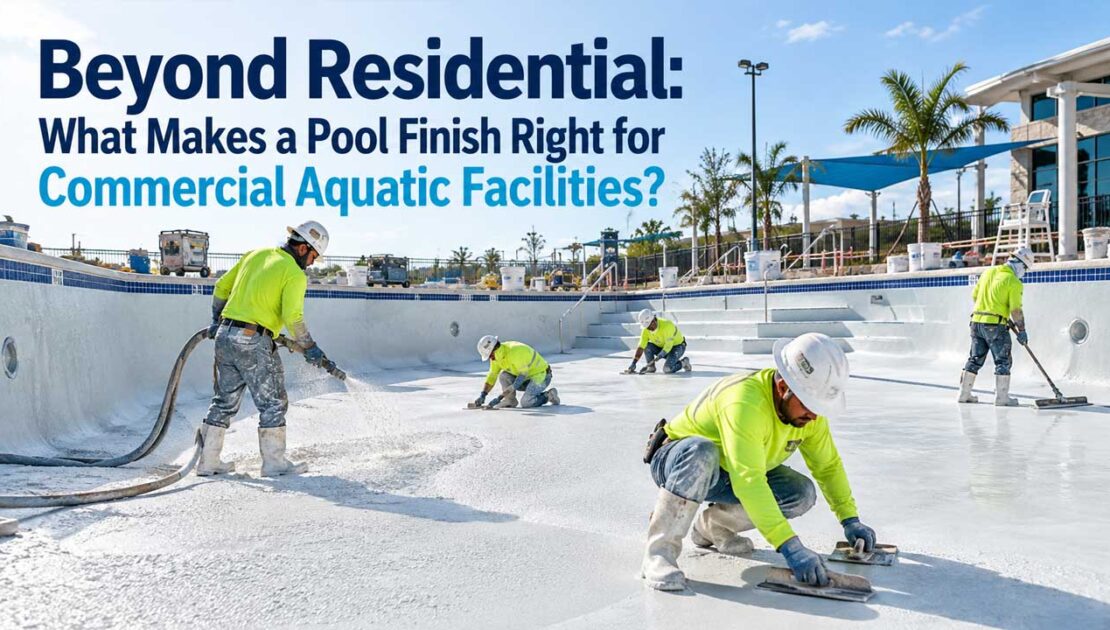
Beyond Residential: What Makes a Pool Finish Right for Commercial Aquatic Facilities?
- October 12, 2026
- Universal White Cement
- Pool Finishes
- No Comments
Beyond Residential: What Makes a Pool Finish Right for Commercial Aquatic Facilities? Universal White Cement examines the material selection, installation considerations, and specification requirements that matter when finishing commercial swimming pools. A commercial swimming pool has to satisfy a different set of expectations than a residential installation. A hotel pool must remain attractive to guests,…
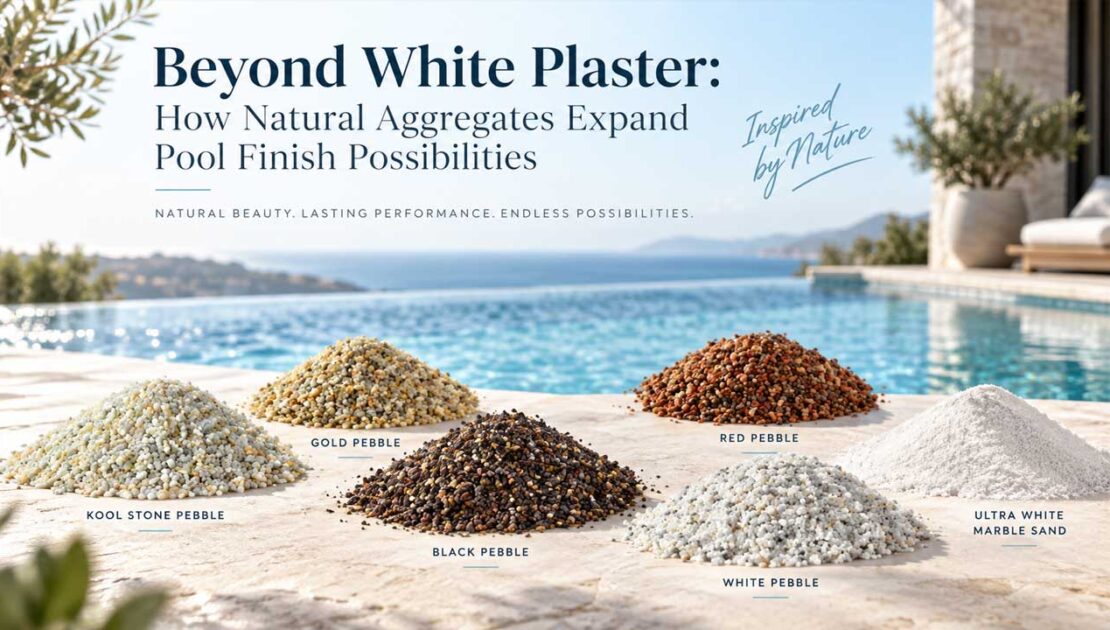
Beyond White Plaster: How Natural Aggregates Expand Pool Finish Possibilities
- October 2, 2026
- Universal White Cement
- Pool Finishes
- No Comments
Beyond White Plaster: How Natural Aggregates Expand Pool Finish Possibilities Universal White Cement explores how natural stone colors, aggregate sizing, and premium marble sands help professional plasterers create distinctive swimming pool interiors. The days when swimming pool owners had to settle for a standard white plaster interior are long gone. Today’s customers have more design…
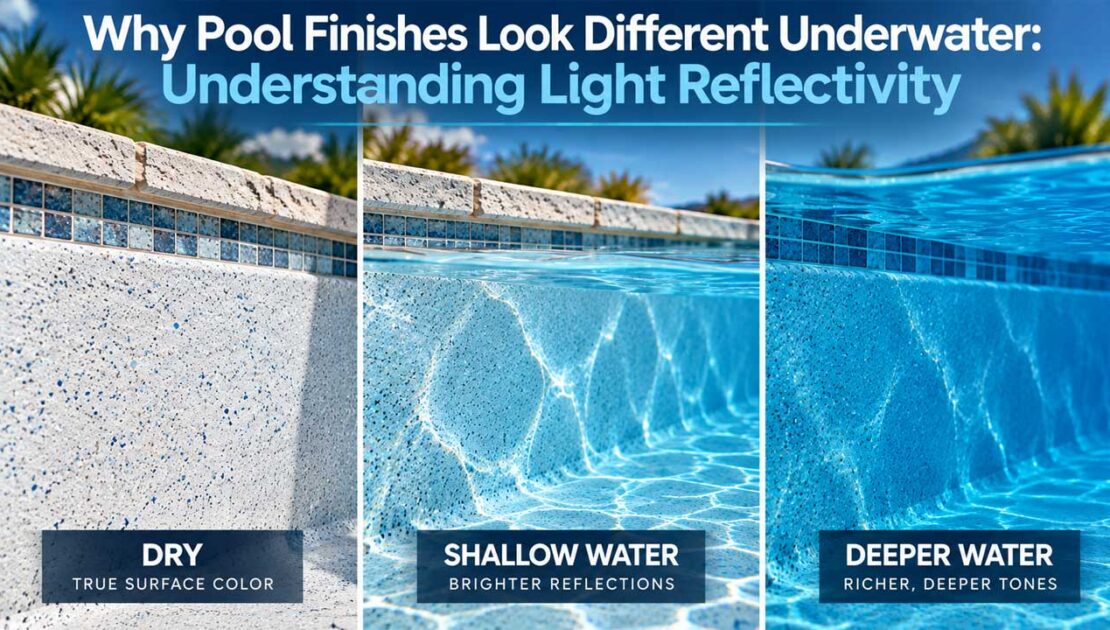
Why Pool Finishes Look Different Underwater: Understanding Light Reflectivity
- September 23, 2026
- Universal White Cement
- Pool Finishes
- No Comments
Why Pool Finishes Look Different Underwater: Understanding Light Reflectivity Universal White Cement examines how independent laboratory testing reveals changes in pool finish color and brightness—and what those findings mean for professional plasterers, builders, and designers. A swimming pool finish can look remarkably different once it gets wet. A bright white sample may appear darker, a…
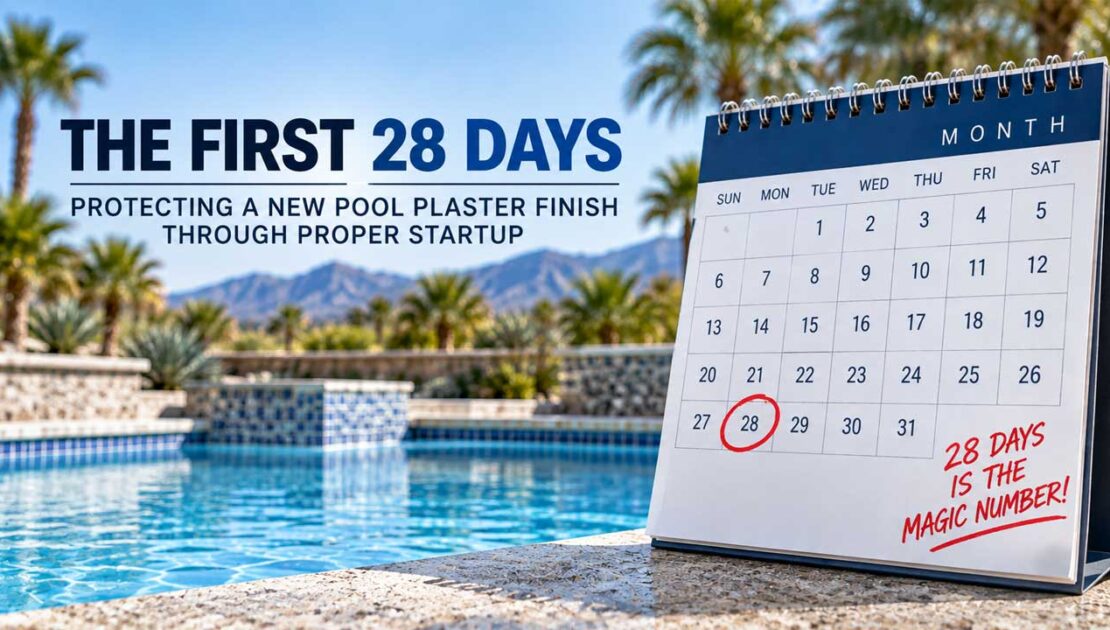
New Pool Plaster Startup: Why the First 28 Days Matters
- September 17, 2026
- Universal White Cement
- Pool Plaster
- No Comments
New Pool Plaster Startup: Why the First 28 Days Matters Universal White Cement examines how initial filling, water chemistry, and startup practices influence the appearance and long-term performance of cementitious swimming pool finishes. A professional plastering crew can spend years refining its application techniques, perfecting trowel work, and selecting materials that deliver a consistent finish….
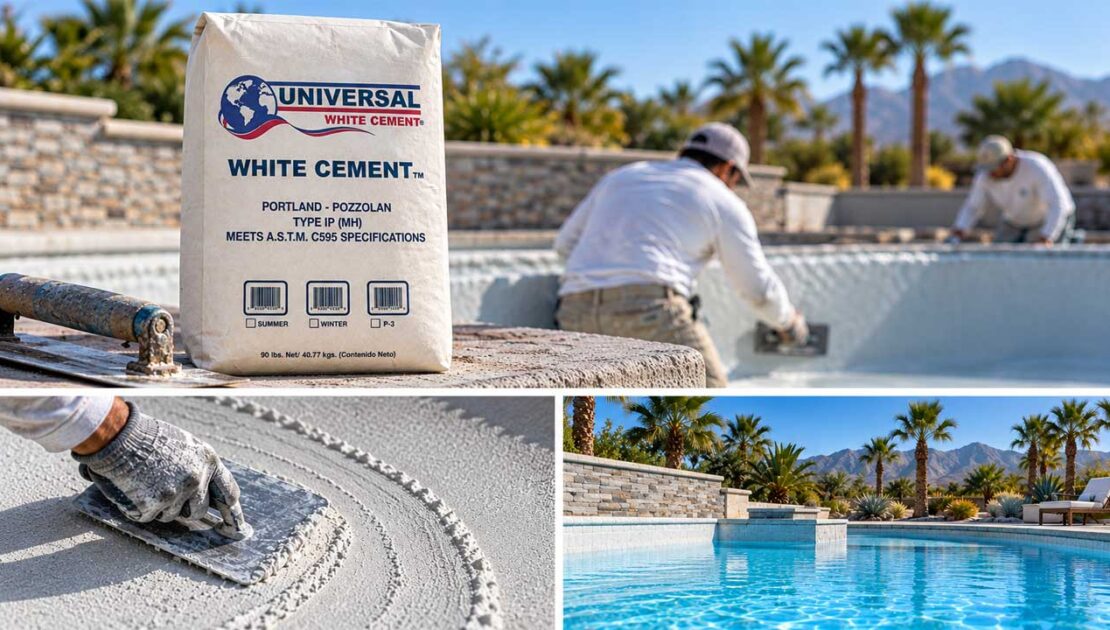
The Science Behind Seasonal Cement Blends for Pool Plastering
- September 4, 2026
- Universal White Cement
- Pool Plaster
- No Comments
The Science Behind Seasonal Cement Blends for Pool Plastering Universal White Cement explains how temperature, pozzolanic chemistry, and cement formulation influence working time, installation consistency, and long-term pool finish performance. For professional pool plasterers, timing is critical. From mixing and pumping to troweling and aggregate exposure, every stage of installation depends on cement behaving within…
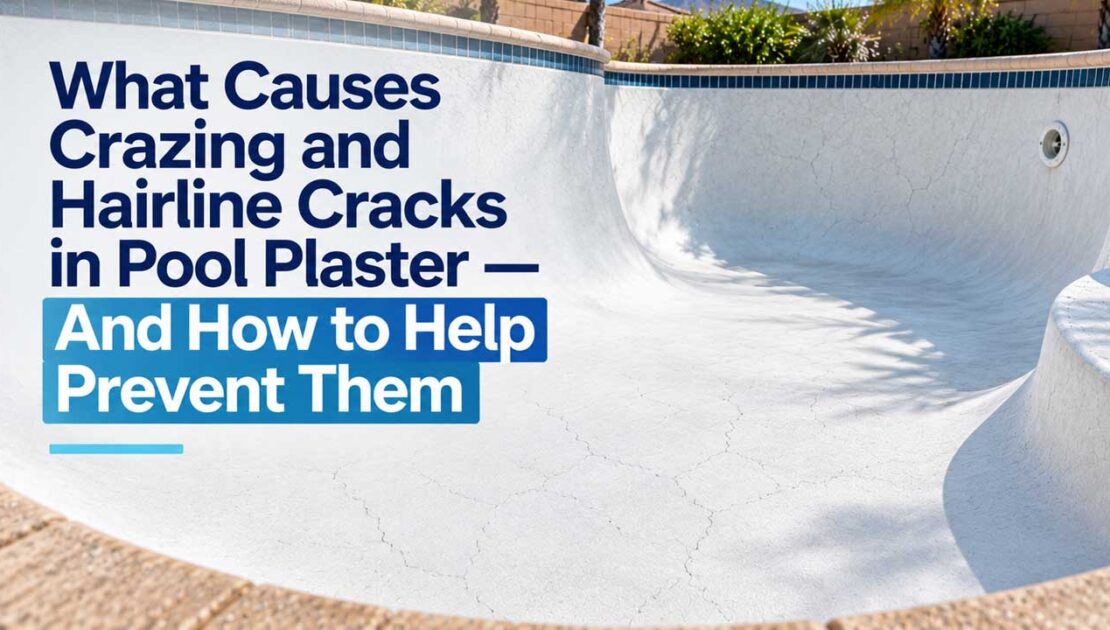
What Causes Crazing and Hairline Cracks in Pool Plaster — And How to Help Prevent Them
- August 27, 2026
- Universal White Cement
- Pool Plaster
- No Comments
What Causes Crazing and Hairline Cracks in Pool Plaster — And How to Help Prevent Them Hairline cracks in a pool finish can be alarming. They may appear as isolated lines, a network of fine cracks across the surface, or subtle patterns that become much more noticeable once the pool is filled. But not every…

How Hot Weather Affects Pool Plaster — And How Plasterers Control Set Time
- August 15, 2026
- Universal White Cement
- Pool Plaster
- No Comments
How Hot Weather Affects Pool Plaster — And How Plasterers Control Set Time Hot weather can make an already demanding pool plaster installation even less forgiving. As temperatures rise, cementitious materials tend to set faster, leaving crews with less time to pump, place, trowel and finish the material before it begins to harden. For experienced…
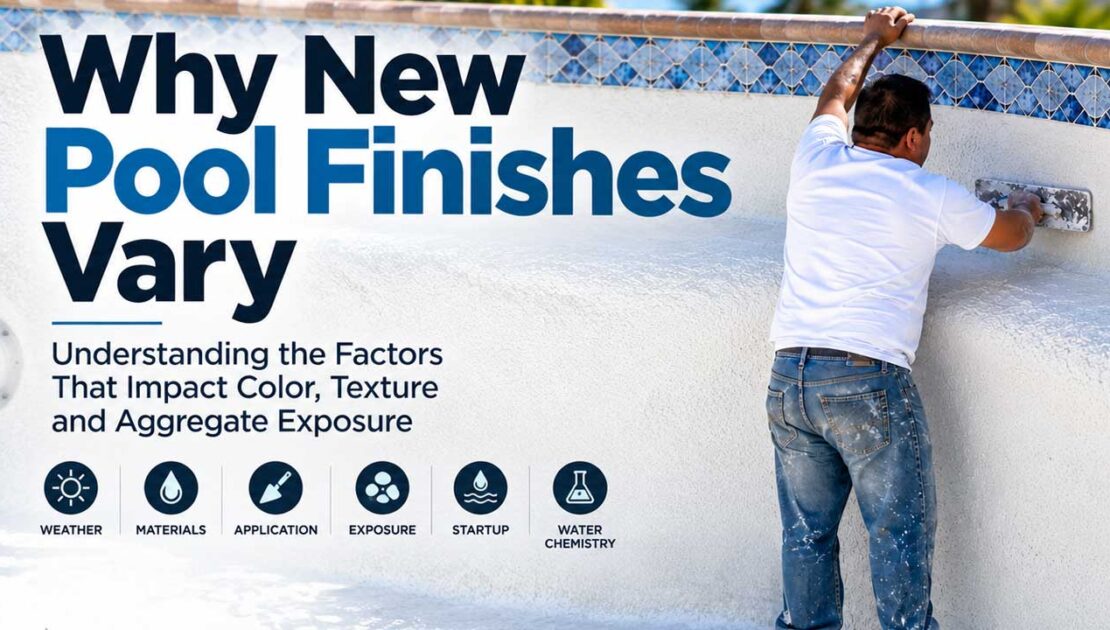
Why New Pool Finishes Vary: Understanding Color, Texture and Aggregate Exposure
- August 6, 2026
- Universal White Cement
- Pool Finishes
- No Comments
Why New Pool Finishes Vary: Understanding Color, Texture and Aggregate Exposure Why do new pool finishes vary? The answer has a lot to do with how cementitious pool finishes are made and installed. Unlike a manufactured surface produced under controlled factory conditions, a pool finish is mixed, pumped, placed, hand-troweled, exposed and cured in the…

Common Pool Plaster Mistakes And How To Avoid Them
- July 21, 2026
- Universal White Cement
- Pool Plaster
- No Comments
Common Pool Plaster Mistakes And How To Avoid Them Pool plaster usually does not fail because of one dramatic event. More often, it gets damaged by a series of small pool plaster mistakes that add up over time. In the field, those mistakes usually show up as discoloration, roughness, staining, scaling, delamination, or premature resurfacing….
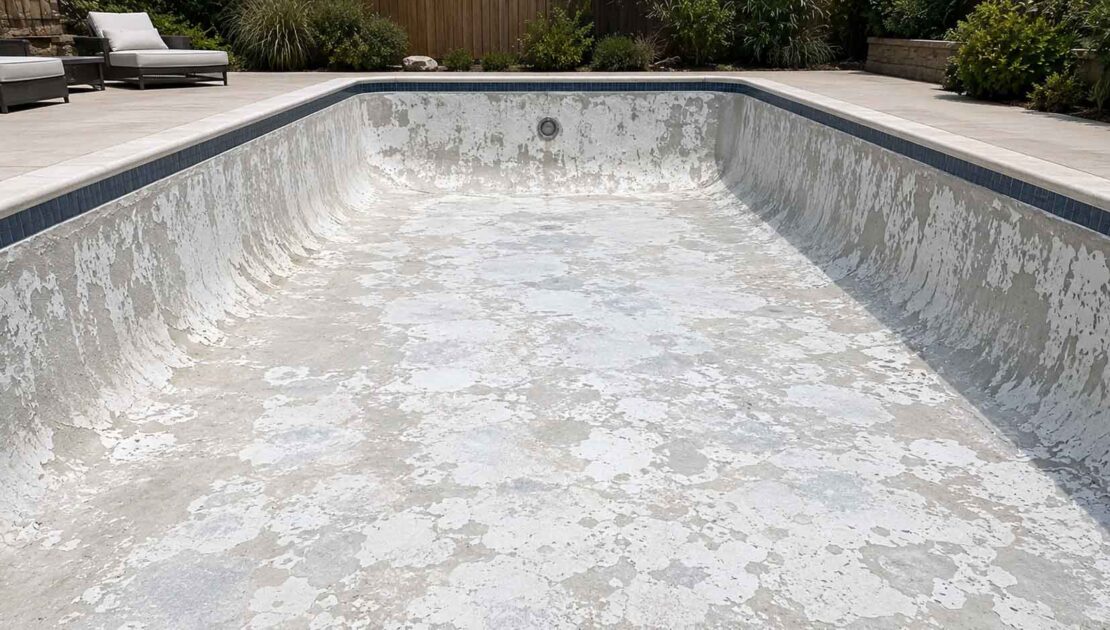
How to Tell if Pool Plaster is Delaminating
- July 9, 2026
- Universal White Cement
- Pool Plaster
- No Comments
How to Tell if Pool Plaster is Delaminating When plaster delaminates, it’s not just a cosmetic issue—it’s a bond failure. The finish is separating from the shell or bond coat, and sooner or later that turns into pop‑offs, hollow areas, and bigger tear‑outs than anyone budgeted for. As pros, we need to be able to…
- 1
- 2